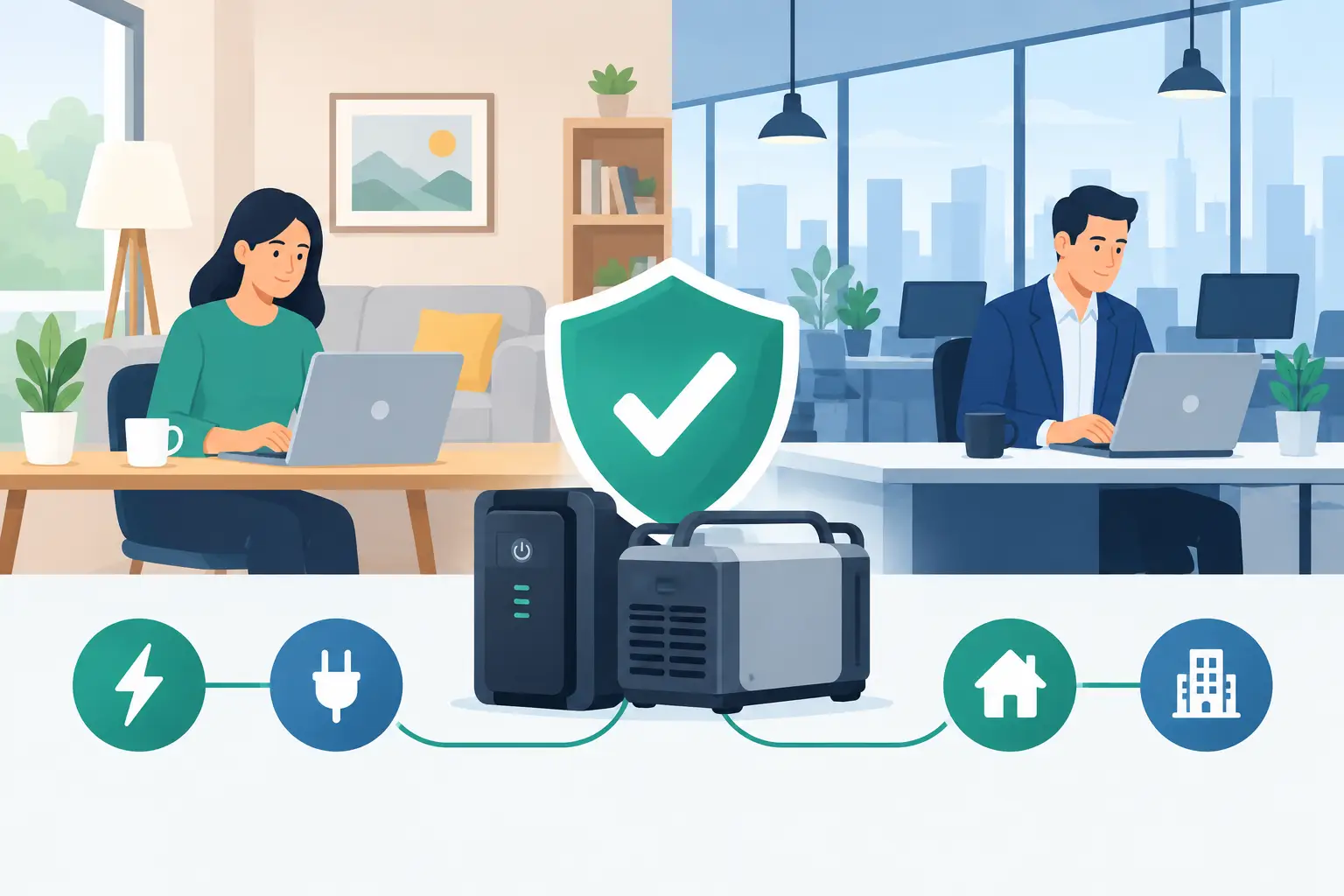
A power outage can be more than an inconvenience. For a homeowner, it can mean spoiled food, a dead HVAC system, or a safety concern after dark. For a business, it can interrupt sales, damage equipment, and bring operations to a stop. The best ways to prevent outages start with understanding what your electrical system can safely handle and addressing warning signs before they become an emergency.
Some outages come from utility problems, storms, or vehicle accidents that are outside a property owner’s control. Many others begin inside the home or building: an overloaded circuit, aging panel, loose connection, worn wiring, or electrical equipment that has not been maintained. A licensed electrician can identify those risks and recommend a practical fix based on the age, condition, and demands of your property.
Best Ways to Prevent Outages Before They Start
Prevention is usually less expensive and far less disruptive than emergency repairs. The goal is not to replace electrical equipment unnecessarily. It is to make sure the system serving your home or business is sized correctly, safely installed, and regularly checked.
Stop Overloading Circuits
Frequent breaker trips are not something to ignore or work around. A breaker is designed to shut off power when a circuit is carrying more electricity than it can safely handle. Resetting it once after an obvious overload may be fine. Resetting it repeatedly can point to a larger problem.
Kitchens, laundry rooms, garages, workshops, and offices with several computers are common trouble spots. Portable heaters, microwaves, air fryers, hair tools, refrigerators, printers, and power tools can all place significant demand on a circuit. Avoid plugging high-draw appliances into overloaded power strips or extension cords, especially on a long-term basis.
If one area regularly loses power when appliances run at the same time, the right solution may be a dedicated circuit or additional circuits. This is safer than relying on extension cords, and it gives the equipment the power it needs without constantly straining the system.
Schedule Electrical Inspections for Older Properties
Savannah-area homes and commercial buildings vary widely in age, and older properties often have electrical systems that were not designed for current power use. A panel that worked well decades ago may now be serving multiple televisions, computers, smart devices, HVAC equipment, modern kitchen appliances, and charging stations.
An electrical inspection gives a licensed electrician a chance to check the panel, breakers, grounding, visible wiring, outlets, and connections for safety issues. They can look for corrosion, overheating, damaged insulation, outdated components, improper wiring changes, and signs of moisture intrusion. For businesses, inspections can also help identify electrical concerns before they affect employees, customers, equipment, or code compliance.
Consider an inspection if you have recently purchased a property, are planning a remodel, notice recurring electrical problems, or have not had the system evaluated in years. Property managers should also include electrical checks in their routine maintenance planning, especially between tenants or before peak operating seasons.
Upgrade an Undersized or Aging Electrical Panel
The electrical panel is the control center of the building’s power system. When it is outdated, full, damaged, or too small for the property’s electrical load, it can contribute to unreliable power and create safety concerns.
Warning signs include breakers that trip often, lights that dim when major appliances start, buzzing sounds from the panel, warmth around breakers, rust or visible damage, and a lack of available space for new circuits. A panel upgrade may also be needed before adding a hot tub, EV charger, new HVAC system, electric range, workshop equipment, or expanded commercial equipment.
A panel upgrade is an investment, so it should be based on an honest load assessment rather than guesswork. Sometimes the problem is a single failing breaker or a circuit that needs to be redistributed. Other times, a larger service upgrade is the safest long-term answer. A licensed electrician can explain the options, expected scope of work, and whether permits are required.
Use Whole-Home or Whole-Building Surge Protection
Surge protectors at individual outlets are helpful, but they do not replace protection installed at the electrical panel. Whole-home or whole-building surge protection helps reduce the damage from voltage spikes caused by lightning, utility switching, or large equipment cycling on and off.
Surges may not always cause an immediate outage. They can slowly wear down sensitive electronics, appliances, HVAC controls, computers, security systems, and point-of-sale equipment until something fails. In coastal Georgia, where storms and lightning are regular concerns, professionally installed surge protection can be a sensible part of an overall prevention plan.
It does have limits. No surge protector can guarantee that electronics will survive every major lightning event, and it will not correct overloaded circuits or faulty wiring. It works best alongside a properly grounded electrical system and regular maintenance.
Maintain Equipment That Affects Your Power Supply
Electrical reliability does not depend on the panel alone. Equipment connected to the system can create issues when it is damaged, poorly installed, or drawing more power than expected.
Keep outdoor electrical equipment protected from water and physical damage. Have damaged outlets, cracked covers, loose switches, and exposed wiring repaired promptly. In commercial settings, avoid allowing temporary wiring and power strips to become permanent solutions. They are often used for convenience, but they can create clutter, overload circuits, and make problems harder to spot.
HVAC equipment deserves attention as well. A struggling air conditioner or heat pump can place added demand on electrical components, particularly during the hottest part of the year. Routine HVAC maintenance and electrical checks help catch issues such as failing disconnects, worn wiring, or improperly sized circuits before they lead to a shutdown.
Watch for Early Warning Signs
Electrical problems often provide a warning before a complete outage occurs. Pay attention to flickering or dimming lights, outlets that stop working, burning odors, warm outlet covers, buzzing, sparks, shocks, or breakers that will not stay reset.
Do not ignore these symptoms because they seem occasional. Electrical faults can worsen with use, heat, and moisture. Turn off power to the affected area if it is safe to do so, avoid using damaged equipment, and arrange a professional inspection. If you smell burning, see smoke, or hear arcing from a panel or outlet, treat it as an emergency and contact an electrician right away.
Prepare for Outages You Cannot Prevent
Even a well-maintained electrical system cannot prevent every utility outage. Storms, fallen trees, and external utility failures can still interrupt power. Preparation helps you protect people, property, and equipment while waiting for service to return.
For homes, keep flashlights, fresh batteries, charged power banks, and a plan for refrigerated food and medically necessary devices. For businesses, identify which systems need an orderly shutdown and which equipment may require backup power. A professionally installed generator connection or transfer switch can allow safe use of a standby or portable generator during an outage.
Never run a generator inside a garage, enclosed porch, or near doors and windows. Carbon monoxide is deadly, and improper generator connections can send electricity back into utility lines, putting utility workers and your property at risk. Generator installation and transfer equipment should always be handled by a qualified electrician.
Choose Professional Repairs Over Quick Fixes
When power fails, it is tempting to choose the fastest or lowest-cost option. But temporary electrical repairs, unlicensed work, and repeated breaker resets can lead to greater damage and higher costs later. Safe troubleshooting requires identifying the cause, not just restoring power for the moment.
For homeowners and business owners in Savannah, a licensed electrician can diagnose outages, repair unsafe components, complete code-compliant upgrades, and help prevent the same issue from returning. Reliable electrical work protects your property, your equipment, and the people who depend on both.
A planned inspection or timely repair is often the difference between a small service call and a disruptive outage. If your lights flicker, breakers trip, or panel shows its age, addressing it now gives you more control over the repair, the schedule, and the cost.
Leave a Reply