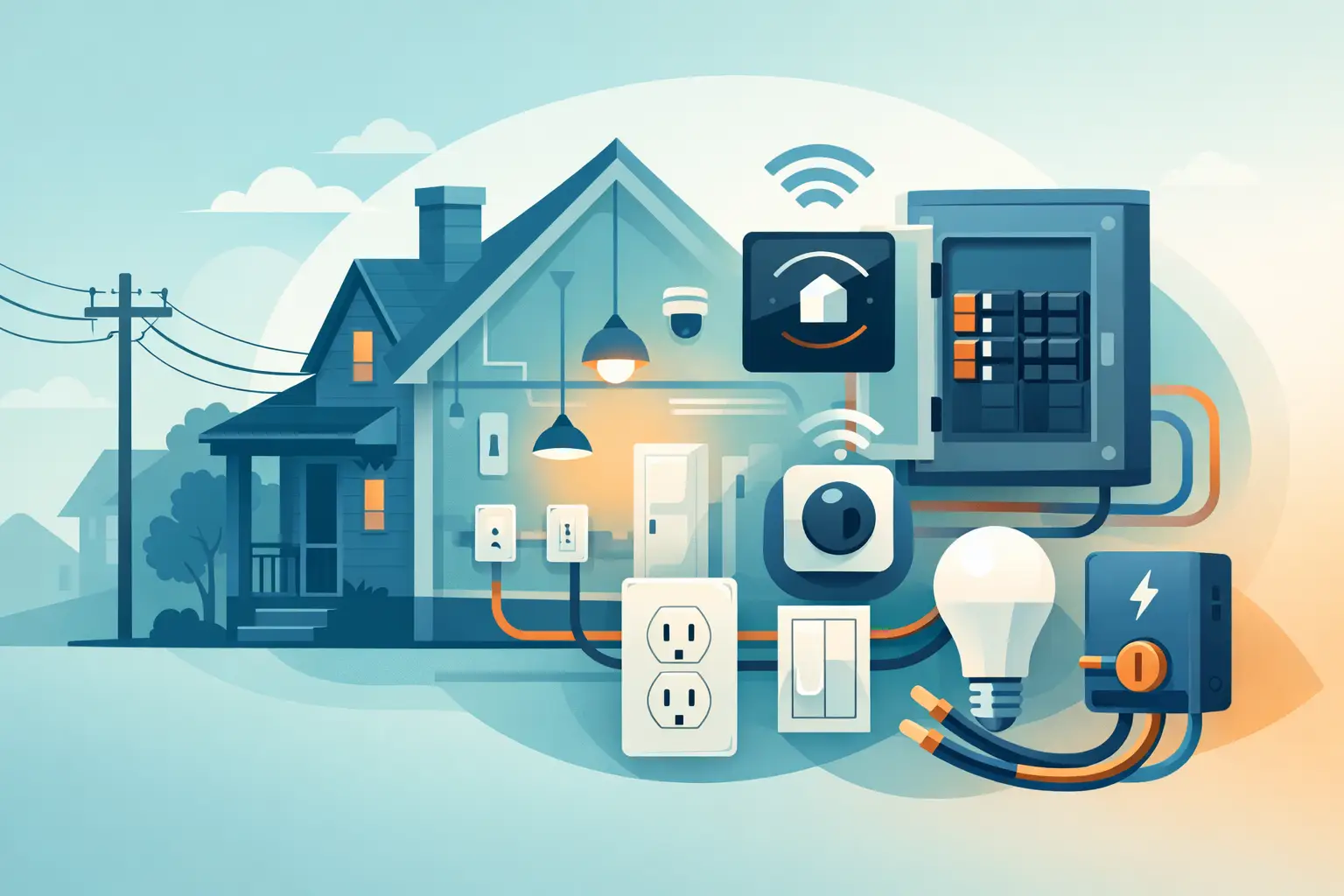
A historic home can have original pine floors, solid plaster walls, and plenty of character. It can also have a fuse box, two-prong outlets, and wiring that was never designed for central air, computers, kitchen appliances, or electric vehicles. The best electrical upgrades for old homes protect the property first, then add the capacity and convenience your household actually needs.
For Savannah-area homeowners, the right project depends on the home’s age, its current electrical condition, and planned improvements. A licensed electrician can inspect the system, identify safety concerns, and help you prioritize upgrades without paying for work that does not serve your home.
Start With an Electrical Safety Inspection
Before choosing new fixtures or adding outlets, find out what is behind the walls. Older homes may contain knob-and-tube wiring, cloth-insulated conductors, aluminum branch wiring, ungrounded circuits, or panels with obsolete components. None of these automatically means a home is unsafe, but each requires a professional assessment.
An electrical inspection looks beyond whether lights turn on. It checks the panel, breakers or fuses, grounding and bonding, visible wiring condition, outlet polarity, load demands, and signs of overheating. Flickering lights, warm outlets, breakers that trip repeatedly, burning odors, and shocks from appliances are reasons to schedule service promptly.
This step is especially valuable before a renovation, a home purchase, or the installation of major equipment. It gives you a clear starting point and helps prevent a small remodeling project from exposing a larger electrical problem halfway through the job.
Upgrade an Outdated Electrical Panel
A panel upgrade is often one of the best electrical upgrades for old homes because the panel controls how safely power is distributed throughout the property. Many older homes were built with 60-amp or 100-amp service. That may not be enough for a modern household using HVAC equipment, kitchen appliances, laundry equipment, entertainment systems, and home office technology at the same time.
Moving to a properly sized 150-amp or 200-amp service can create room for current needs and future projects. It may support a remodeled kitchen, an addition, a workshop, a hot tub, or EV charging without overloading existing circuits. The correct size is not a guess. A licensed electrician should perform a load calculation based on the home and the equipment you plan to use.
A panel replacement is also a safety priority if the existing panel is damaged, corroded, unreliable, or known to have problematic components. In coastal Georgia, humidity and storm exposure can add to wear over time. Replacing aging equipment with modern breakers and a properly installed panel can improve reliability when you need it most.
Replace Unsafe or Aging Wiring
A new panel cannot solve worn-out branch wiring in the walls. If an inspection finds brittle insulation, damaged conductors, unsafe splices, or wiring that lacks a grounding path, rewiring may be the most worthwhile investment.
Full rewiring makes sense when the system is broadly outdated or unsafe. In other homes, targeted rewiring may be enough. For example, a homeowner may update the kitchen, bathrooms, laundry area, or addition first while developing a practical plan for the rest of the property. The right approach depends on the wiring material, accessibility, budget, and the condition of the system as a whole.
Rewiring can feel disruptive, particularly in older homes with finished walls and historic details. A professional electrician will discuss access methods, repair needs, permit requirements, and how to complete the work with as little disruption as reasonably possible. The goal is not to strip away a home’s character. It is to make the electrical system dependable enough to support how the home is used today.
Add Grounded Outlets Where You Need Them
Two-prong outlets are common in older homes, but they do not provide the same protection as modern grounded receptacles. Homeowners sometimes use three-prong adapters as a quick fix, but an adapter does not create a true equipment ground. It can leave sensitive electronics and some appliances without the protection they need.
Adding properly grounded outlets is a practical upgrade for bedrooms, living spaces, offices, and areas where electronics are used. It also reduces the temptation to rely on overloaded power strips and extension cords. A home should have enough permanent outlets to serve normal daily use safely.
This upgrade is about placement as much as grounding. Older rooms may have one outlet per wall, while modern households need accessible power near beds, desks, televisions, and charging areas. An electrician can recommend outlet locations that are useful without creating unnecessary wall work.
Bring Kitchens, Baths, and Outdoor Areas Up to Modern Protection
Water and electricity require extra safeguards. Ground-fault circuit interrupter, or GFCI, protection is designed to shut off power quickly when it detects a ground fault. It is generally required in areas such as bathrooms, kitchens, garages, laundry spaces, crawl spaces, outdoor locations, and other places where moisture is a concern.
Arc-fault circuit interrupter, or AFCI, protection addresses a different risk. It helps detect certain dangerous arcing conditions that may occur in damaged cords, loose connections, or aging wiring. AFCI requirements vary by location and project scope, but they are commonly part of modern residential electrical work.
When remodeling a kitchen or bathroom, plan electrical work early. A properly designed kitchen often needs dedicated circuits for appliances, small-appliance countertop circuits, GFCI protection, and enough outlets to avoid cord clutter. Bathroom upgrades may include GFCI outlets, improved lighting, exhaust fan wiring, and a dedicated circuit where required. Addressing these details during the project is safer and typically more affordable than opening finished walls later.
Improve Lighting, Fans, and Everyday Function
Not every upgrade has to begin at the panel. Better lighting can make an older home safer, more comfortable, and easier to use. Recessed lighting, under-cabinet kitchen lighting, exterior security lighting, and well-placed fixtures in hallways and stairways can solve real daily frustrations.
Ceiling fans are another high-value improvement in Savannah’s warm climate. They can improve comfort and help rooms feel cooler, but they need correctly rated electrical boxes and secure installation. A standard light-fixture box may not safely support a fan.
Consider dimmers, timers, occupancy sensors, and smart controls where they provide a clear benefit. Exterior lighting on a timer can improve safety around entries and walkways. Motion-activated lights can help around garages and side yards. The key is choosing controls that fit your routine rather than adding technology for its own sake.
Install Whole-Home Surge Protection
Power surges are not limited to lightning strikes. They can happen when utility power is restored, large appliances cycle, or equipment inside the home creates a sudden change in electrical demand. Older homes with more electronics than their original wiring ever anticipated can benefit from whole-home surge protection installed at the panel.
This does not replace plug-in surge strips for sensitive equipment, but it provides an additional layer of protection for appliances, HVAC components, televisions, and other connected devices. In a storm-prone area, it is a sensible addition during a panel upgrade or electrical service project.
Plan for Major Appliances and Future Power Needs
An old home may have enough power for its current setup but not for the changes you want to make next year. Adding an electric range, heat pump, tankless water heater, workshop equipment, or EV charger may require dedicated circuits, a load calculation, or a service upgrade.
EV charging deserves particular planning. A Level 2 charger can be a major convenience, but it should not simply be connected to the nearest available circuit. The installation needs the right circuit size, wiring method, breaker, and available electrical capacity. A professional assessment prevents overloaded equipment and helps you choose a charging solution that matches your vehicle and driving habits.
If you are renovating, adding a circuit now for a future appliance can be less expensive than reopening walls later. This is where a thoughtful plan pays off. You do not need to upgrade everything at once, but you should avoid improvements that limit your next project.
Choose a Licensed Electrician, Not a Shortcut
Electrical work in older homes often reveals surprises. Hidden junction boxes, previous DIY repairs, damaged wiring, and outdated materials can change the scope once work begins. That is why clear communication, proper permitting when required, and code-compliant workmanship matter.
A licensed electrician can explain what needs immediate attention, what can be scheduled later, and which upgrades offer the strongest value for your property. For homeowners and property managers in Savannah, dependable service also means having help available when a breaker failure, outage, or unsafe electrical condition cannot wait.
Your old home does not need to lose its charm to gain modern electrical safety. Start with an inspection, address the highest-risk issues first, and build upgrades around the way you live. That approach keeps the work practical, protects your investment, and gives you confidence every time you turn on the power.
Leave a Reply