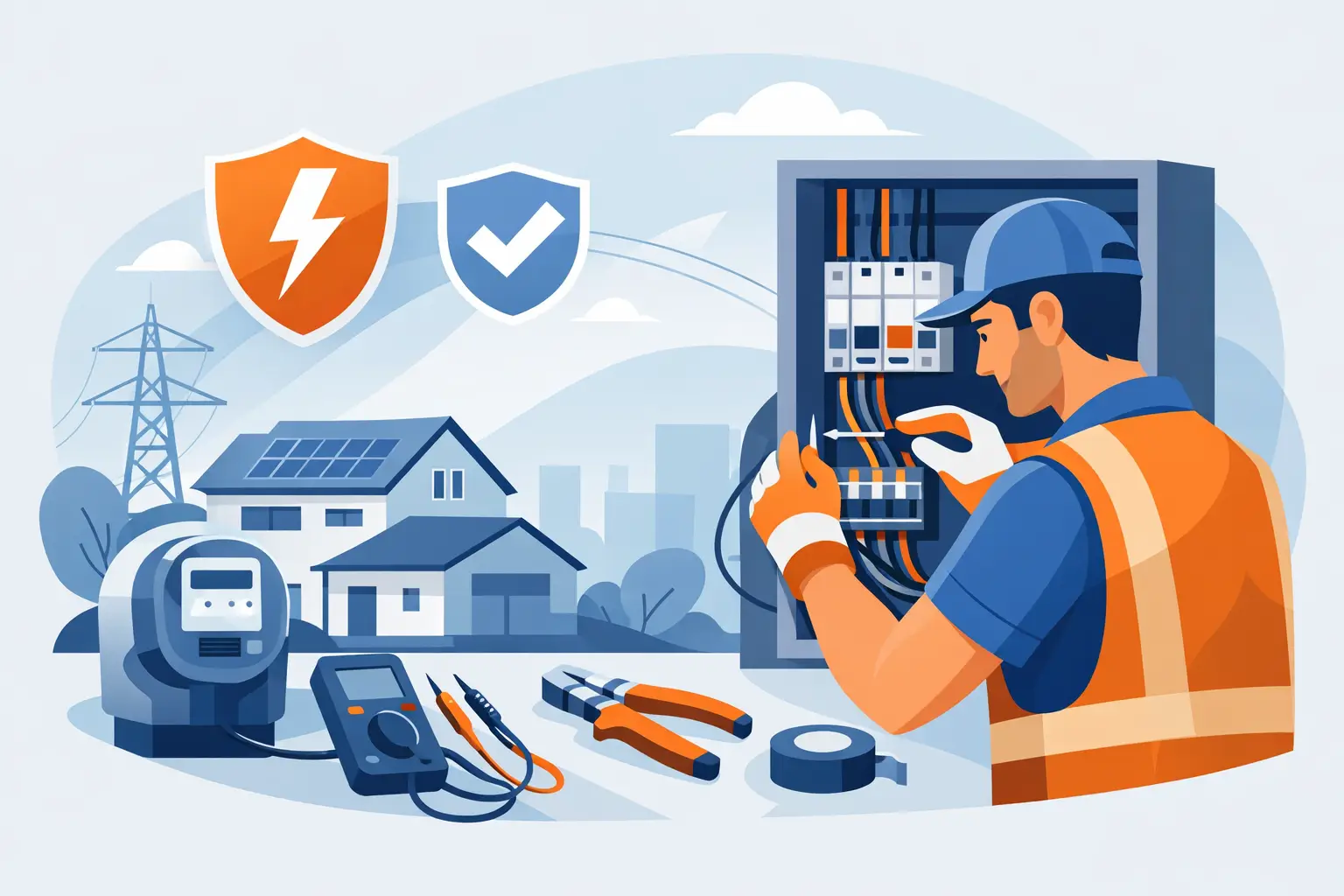
A panel upgrade is not just a bigger metal box with more breaker spaces. It can affect your home’s grounding, service entrance equipment, utility connection, surge protection, and ability to safely power major appliances. If you are researching how to upgrade electrical panel service, the most useful first step is knowing what the project involves and why it should be completed by a licensed electrician.
For Savannah-area homeowners and business owners, an electrical panel upgrade can solve recurring breaker trips, prepare a property for remodeling, and bring aging electrical equipment closer to current safety requirements. The right upgrade depends on the building’s electrical demand, existing wiring, and future plans.
Signs Your Electrical Panel May Need an Upgrade
A breaker that trips once after a temporary overload is doing its job. A breaker that trips regularly, feels hot, makes buzzing sounds, or will not reset deserves prompt professional attention. These symptoms can point to an overloaded circuit, a failing breaker, loose connections, or a panel that no longer fits the property’s needs.
Age matters too. Many older homes were built with 60-amp or 100-amp service, long before central HVAC systems, electric ranges, large televisions, home offices, EV chargers, and modern kitchen appliances became common. A 100-amp panel is not automatically unsafe, but it may be undersized when a home adds significant electrical loads.
Other warning signs include flickering lights when large appliances start, rust or water damage around the panel, a burning odor, discolored breakers, missing breaker spaces, and the use of multiple power strips or extension cords as permanent solutions. Some older panel brands and equipment types may also have known reliability concerns. A licensed electrician can identify the equipment in place and advise whether replacement is warranted.
For commercial properties, upgrades are often driven by added equipment, tenant improvements, expanded work areas, or code requirements. A panel that was adequate for basic lighting may not safely support new refrigeration, commercial kitchen equipment, machinery, or dedicated computer systems.
How to Upgrade an Electrical Panel: The Professional Process
Electrical panel replacement is not a suitable do-it-yourself project. Even with the main breaker turned off, portions of the service equipment can remain energized. Improper work can lead to shock, arc flash injuries, fire hazards, failed inspections, or damage to appliances. In many cases, permits and utility coordination are required as well.
A safe panel upgrade begins with an on-site assessment. The electrician evaluates the existing service size, panel condition, grounding and bonding, circuit layout, conductor condition, and available capacity. They also ask about planned loads, such as a hot tub, generator, electric vehicle charger, workshop equipment, heat pump, pool equipment, or a home addition.
Calculate the Electrical Load First
The panel size should be based on a load calculation, not a guess. This calculation considers the square footage of the property, fixed appliances, heating and cooling equipment, cooking appliances, laundry equipment, and expected new loads. It applies demand factors because not every device runs at full power at the same time.
This step prevents two costly mistakes: installing a panel that is too small for future needs or paying for a service size that the property does not actually require. A homeowner replacing an overcrowded 100-amp panel may only need a modern 100-amp panel with additional spaces. Another home may need a full 200-amp service upgrade to support an EV charger and electric HVAC system.
Determine Whether the Service Must Increase
A panel upgrade and a service upgrade are related, but they are not always the same job. Replacing an old panel with a new one of the same amp rating is a panel replacement. Increasing from 100 amps to 200 amps is a service upgrade and may require changes beyond the panel itself.
Those changes can include a new meter base, larger service entrance conductors, upgraded grounding equipment, and coordination with the power utility. The electrician will determine what is required at the property and what must be scheduled with the utility before work begins.
Select the Right Panel and Safety Features
A quality installation uses listed equipment from a reputable manufacturer, sized correctly for the building and installed according to local code requirements. More breaker spaces are usually worthwhile, even if they are not all used immediately. Extra capacity makes future additions easier and reduces the temptation to overcrowd the panel later.
Current code requirements may call for safety devices such as GFCI and AFCI protection on certain circuits. GFCI protection helps reduce shock risks in areas such as bathrooms, kitchens, garages, and exterior spaces. AFCI protection is designed to detect dangerous arcing conditions that may lead to fires. A licensed electrician can explain which protections apply to your project without adding unnecessary work.
Whole-home surge protection is also worth discussing during a panel upgrade. It cannot protect against every electrical event, but it can help reduce the impact of voltage surges on electronics, appliances, and connected equipment. This is especially practical for homes with smart devices, newer HVAC controls, or home office equipment.
Permit, Installation, and Inspection
Panel upgrades generally require permits and inspections. That process protects the property owner by confirming that the installation meets applicable electrical standards. It also creates useful documentation for future home sales, insurance questions, tenant improvements, and major renovations.
On installation day, power will need to be shut off for a period of time. The exact outage depends on the scope of work, the condition of existing equipment, and whether the utility must disconnect or reconnect service. A professional electrician should communicate the expected downtime ahead of time, especially for businesses that need to protect inventory, computers, refrigeration, or operations.
After installing the new equipment, the electrician labels circuits clearly, verifies connections, tests breakers and safety devices, and arranges the required inspection. Clear labeling is more than a convenience. During an emergency, it helps you shut off the correct circuit quickly.
What Does an Electrical Panel Upgrade Cost?
The cost of an electrical panel upgrade varies because no two properties have the same service equipment, access conditions, or electrical demand. Replacing a panel in the same location at the same amp rating is usually less involved than increasing service capacity and relocating a meter or panel.
Factors that affect the price include the desired amp rating, number of circuits, panel location, condition of existing wiring, grounding updates, permit fees, utility requirements, and whether drywall, masonry, or exterior equipment needs modification. Older homes can involve additional work when wiring methods or service equipment no longer meet current standards.
The lowest estimate is not always the best value. Panel work is central to the safety of the entire property, so the quote should clearly explain the scope, equipment, permit process, and any likely additional repairs. Working with a licensed electrician helps ensure the work is code-compliant, properly inspected, and completed with the right materials.
Preparing for a Panel Upgrade
Before the electrician arrives, make a simple list of electrical concerns and planned upgrades. Mention any breakers that trip, rooms with flickering lights, appliances that cause dimming, and equipment you plan to add in the next few years. Include an EV charger, remodel, garage workshop, hot tub, pool pump, or new HVAC system if any are on the horizon.
Keep the area around the panel accessible and avoid storing flammable materials nearby. If the panel is indoors, plan for the temporary loss of lighting, Wi-Fi, HVAC, and refrigeration. Businesses should identify critical equipment and determine whether a temporary shutdown needs to be scheduled outside normal operating hours.
Do not remove the panel cover or attempt to tighten connections yourself. Corrosion, heat damage, and loose conductors require trained evaluation. What appears to be a minor issue can be a sign of a larger service problem.
Common Questions About Electrical Panel Upgrades
How long does a panel upgrade take?
Many straightforward panel replacements can be completed within a day, but service increases, utility scheduling, repairs to damaged wiring, or inspection timing can extend the project. Your electrician should provide a realistic timeline after inspecting the property.
Will a new panel fix flickering lights?
It depends on the cause. Flickering may come from an overloaded panel, loose circuit connection, failing breaker, utility issue, or a problem within a light fixture. A proper diagnosis should come before replacing equipment.
Do I need 200-amp service?
Not every property does. A load calculation determines whether your current service can safely handle your existing and planned electrical demand. A 200-amp upgrade is common for larger or all-electric homes, but it should be based on actual needs rather than a one-size-fits-all recommendation.
If your panel is showing warning signs or your property is outgrowing its electrical capacity, do not wait for repeated outages or a dangerous failure. A licensed local electrician can inspect the system, explain the options in plain language, and help you make a safe decision that fits your home or business.
Leave a Reply