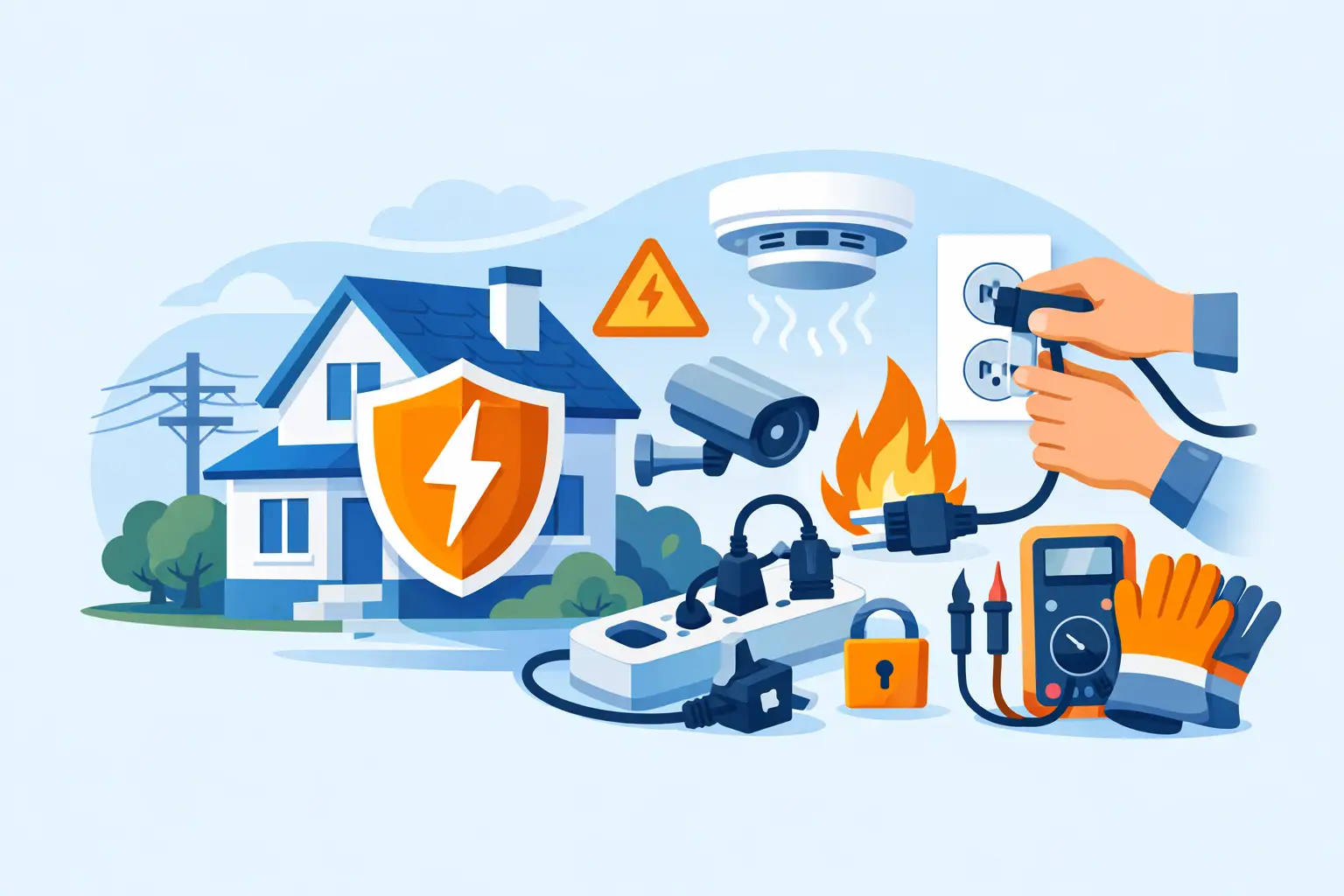
A breaker that trips once may be protecting your property. A breaker that trips repeatedly, a hot outlet, or a light that flickers when an appliance starts is a warning that should not be ignored. The best ways to improve electrical safety begin with taking those signs seriously and knowing where a simple precaution ends and licensed electrical work needs to begin.
For homeowners, landlords, and business owners, electrical safety is not only about avoiding shocks. It helps prevent fires, protects expensive equipment, keeps buildings functional, and supports code compliance during renovations or inspections. The following practical steps can make a meaningful difference in homes and commercial spaces throughout Savannah and the surrounding area.
10 Best Ways to Improve Electrical Safety
1. Stop overloading outlets and power strips
An outlet is not designed to carry unlimited demand. Plugging several high-wattage appliances into one outlet or power strip can overheat wiring and create a fire risk. Space heaters, microwaves, coffee makers, air fryers, hair dryers, and window AC units are common examples of equipment that should generally have a dedicated outlet.
Power strips are useful for low-demand electronics, but they are not a permanent solution for a shortage of outlets. Never connect one power strip to another, sometimes called daisy-chaining. If you routinely depend on extension cords or strips, adding properly installed outlets is the safer long-term answer.
2. Replace damaged cords, plugs, and outlets
A frayed extension cord, cracked plug, loose outlet, or bent prong is not a minor cosmetic issue. Damaged electrical components can expose energized parts, cause overheating, or lead to arcing inside the connection.
Unplug and replace damaged cords rather than wrapping them with tape. Outlets that feel loose, are discolored, buzz, spark, or feel warm should be inspected promptly. A small spark when plugging in a device can sometimes occur, but repeated sparking or visible damage calls for a licensed electrician.
3. Keep electricity away from water
Water and electricity are a dangerous combination, especially in bathrooms, kitchens, laundry rooms, garages, crawlspaces, and outdoor areas. Ground-fault circuit interrupter outlets, often called GFCI outlets, are designed to shut off power quickly when they sense an unsafe ground fault.
GFCI protection is required in many locations, but older properties may not have adequate coverage. Test GFCI outlets using the test and reset buttons according to the manufacturer’s instructions. If an outlet will not reset, trips repeatedly, or does not protect downstream outlets as expected, have the circuit checked instead of bypassing the problem.
Outside, use weather-rated covers and equipment made for exterior use. Savannah’s heat, humidity, and storms can be hard on outdoor receptacles, wiring, and fixtures. Keeping covers closed and replacing cracked weatherproof boxes helps reduce moisture-related failures.
4. Use extension cords only for temporary needs
Extension cords are meant for temporary use, not as permanent building wiring. Running them under rugs, through doorways, across walkways, or behind furniture can damage insulation and hide a developing problem. They can also become a trip hazard in homes, offices, retail spaces, and rental properties.
Choose a cord rated for the equipment and environment. Outdoor work requires an outdoor-rated cord, while a heavy-duty tool requires a cord that can safely handle its load. If a room or workstation needs power every day, the safer option is to install an outlet where it is needed.
5. Give your electrical panel the attention it deserves
Your panel is the control center for the building’s electrical system. It should be easy to reach, clearly labeled, dry, and free of stored items that block access. For commercial properties, clear access to the panel also helps staff or emergency personnel shut off power quickly when needed.
Do not repeatedly reset a breaker that keeps tripping. The breaker may be responding to an overloaded circuit, a failing appliance, damaged wiring, or another fault. Resetting it over and over can allow the underlying issue to worsen.
Older panels may also struggle with the demands of modern appliances, HVAC equipment, computers, EV chargers, and added lighting. A service upgrade or panel upgrade is an investment, so it depends on the condition of the existing system and the electrical load your property requires. A professional assessment can identify whether targeted circuit additions are enough or a larger upgrade makes better sense.
6. Test smoke alarms and protect your equipment from surges
Electrical safety and fire safety work together. Smoke alarms should be installed where required, tested regularly, and equipped with fresh batteries if they are not hardwired with battery backup. Property managers and business owners should also maintain clear emergency procedures so occupants know how to report smoke, burning odors, or electrical hazards.
Surge protection is another practical layer of protection. Plug-in surge strips can help safeguard electronics, but they do not replace whole-home or whole-building surge protection installed at the electrical panel. Whole-panel protection can be especially valuable where storms and utility fluctuations are a concern. It protects connected appliances and systems, though no surge device can prevent every type of electrical damage.
7. Watch for warning signs, not just outages
Many serious electrical problems announce themselves before a total failure occurs. A burning odor, buzzing sound, dimming lights, frequent breaker trips, shocks from appliances, or a warm switch plate should be treated as a reason to investigate.
Turn off power to the affected area if it can be done safely, and avoid using the outlet, appliance, or circuit until it has been evaluated. If you see smoke, flames, or active sparking, move people away from the area and contact emergency services. Do not use water on an electrical fire.
Prompt troubleshooting is usually more affordable than waiting for a small fault to damage wiring, equipment, or the panel. This is particularly true in rental homes and commercial spaces, where multiple people may be using the same circuits every day.
8. Plan electrical work before remodeling or adding equipment
New flooring, cabinets, offices, appliances, signage, or outdoor features can all change how a building uses power. Electrical work should be planned early in a remodel or build-out, not added after walls are closed or equipment has already been purchased.
A licensed electrician can determine where new circuits, GFCI protection, AFCI protection, dedicated appliance circuits, lighting, switches, and panel capacity are needed. This helps avoid expensive changes later and supports code-compliant workmanship from the start.
Avoid the temptation to make electrical alterations yourself just because the project appears simple. Replacing a light fixture may be within reach for an experienced homeowner under the right conditions, but work involving panels, new circuits, damaged wiring, or uncertain connections should be handled by a qualified professional.
9. Schedule inspections for older properties and high-use spaces
Electrical systems age quietly. Wiring insulation can deteriorate, connections can loosen, and previous repairs may not meet current safety standards. Homes with older panels, aluminum wiring, two-prong outlets, or a history of flickering and tripping deserve a professional inspection.
Commercial properties benefit from ongoing electrical maintenance as well. Restaurant equipment, office technology, retail displays, shop tools, and HVAC systems can place heavy and changing demands on circuits. Regular inspections help identify loose connections, overloaded circuits, worn receptacles, and equipment issues before they disrupt operations.
An inspection is also useful before buying a property, starting a major renovation, adding high-demand equipment, or preparing a rental unit for a new tenant. It provides a clearer picture of the system’s condition and helps prioritize necessary repairs.
10. Call a licensed electrician when safety is uncertain
The safest decision is often knowing when not to guess. Licensed electricians have the training and testing equipment to trace circuit faults, evaluate load capacity, make code-compliant repairs, and identify issues hidden behind walls or inside panels.
For urgent concerns such as a burning smell, loss of power to part of the property, a damaged service connection, repeated tripping, or water exposure near electrical equipment, fast professional response matters. Choosing qualified electrical service may cost more than an unlicensed shortcut, but it protects people, property, and the value of the work itself.
Electrical Safety Starts With One Honest Check
Walk through your property with a practical eye: Are cords damaged? Are outlets loose? Is the panel accessible? Do you have a breaker that keeps tripping or an area that depends on extension cords every day? Addressing even one of these concerns can reduce risk right away.
When an electrical issue is unclear, do not wait for it to become an emergency. A licensed inspection or repair provides the confidence that the work is completed safely, correctly, and with your home or business in mind.
Leave a Reply